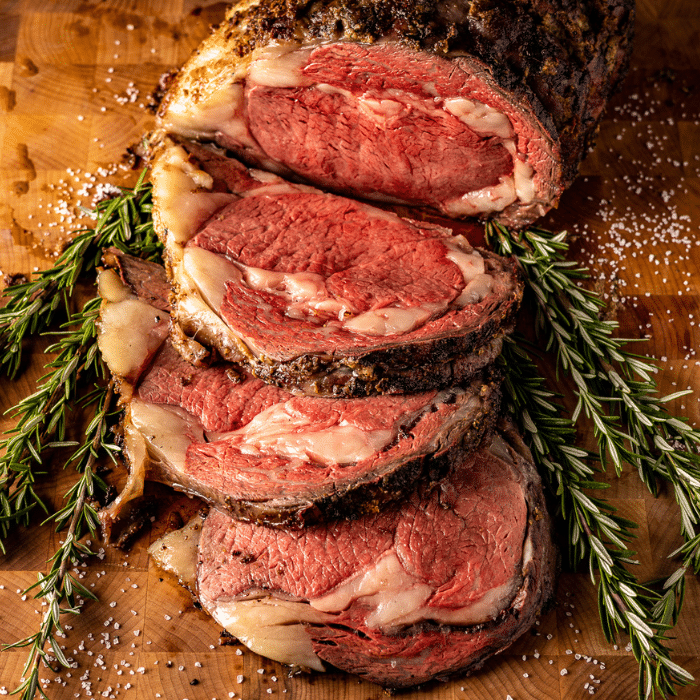
Smoked Prime Rib: Unforgettable Flavor & Tender Texture
There are culinary experiences, and then there's **smoked prime rib**. This majestic cut of beef, transformed by the gentle caress of wood smoke, transcends a mere meal to become a true event. While prime rib is renowned for its rich flavor and inherent tenderness, introducing it to the smoker unlocks an entirely new dimension of taste and texture. Imagine a deeply crusted exterior, bursting with savory spices and a subtle smokiness, giving way to a rosy-pink, melt-in-your-mouth interior that's unbelievably juicy. This isn't just dinner; it's a centerpiece, a conversation starter, and a dish that promises an unforgettable culinary journey. If you're looking to elevate your holiday feast or simply indulge in a truly spectacular meal, mastering the art of the smoked prime rib is a skill worth acquiring.
The Allure of Smoked Prime Rib: Why It's a Cut Above
What sets **smoked prime rib** apart from its roasted counterparts? The answer lies in the unique alchemy of low-and-slow cooking combined with aromatic wood smoke. Roasting a prime rib in a conventional oven produces a delicious result, but it lacks the complex depth that only a smoker can impart. The smoke penetrates the meat, infusing it with layers of flavor that complement the beef's natural richness without overpowering it.
Furthermore, the indirect heat of a smoker is incredibly forgiving, allowing for a more even cook from edge to edge and helping to prevent the dreaded "grey band" that can sometimes plague oven-roasted versions. The slow cooking process also works wonders on the connective tissues, rendering them into succulent gelatin and enhancing the prime rib's already famous tender texture. The result is a roast that is not only incredibly flavorful but also remarkably moist and consistently tender throughout. It's this combination of unparalleled taste and perfect texture that makes **smoked prime rib** a truly special occasion dish.
Understanding the Prime Rib Cut
The prime rib, also known as a standing rib roast, comes from the primal rib section of the cow, specifically ribs six through twelve. This area is home to muscles that are not heavily worked, hence their inherent tenderness. It’s richly marbled with fat, which melts during cooking, basting the meat from within and contributing significantly to its juicy flavor. Whether you choose bone-in or boneless, the quality of the cut is paramount for an exceptional outcome.
Choosing Your Prime Rib: Quality is Key
The foundation of an unforgettable **smoked prime rib** begins long before it ever sees the inside of a smoker: it starts with selecting the right cut. Investing in a high-quality prime rib will pay dividends in flavor and tenderness, making all your efforts worthwhile.
Bone-in vs. Boneless
* **Bone-in:** Many purists argue that bone-in roasts offer superior flavor and moisture retention. The bones act as natural insulation, slowing down the cooking process slightly and potentially contributing to a more even cook. They also make for an impressive presentation and can be removed easily before carving or left on for dramatic effect.
* **Boneless:** While some argue a slight compromise in flavor, boneless prime rib is easier to carve and often cooks a bit faster. If you opt for boneless, consider tying it with butcher's twine to maintain a uniform shape, which promotes even cooking.
USDA Grade Matters
Look for prime rib graded USDA Prime or Choice.
* **USDA Prime:** This is the highest grade, indicating abundant marbling which translates to maximum juiciness, flavor, and tenderness. It's often found in specialty butchers or high-end grocery stores.
* **USDA Choice:** Still an excellent grade, Choice cuts have slightly less marbling than Prime but are widely available and offer a fantastic balance of quality and value.
Avoiding Select grade is generally recommended for prime rib, as it will have less marbling and may result in a drier, less flavorful roast.
Size and Preparation
When determining size, a good rule of thumb is to calculate 1 to 1.5 pounds of bone-in prime rib per person, or about 0.75 to 1 pound of boneless. For a typical family gathering, a 3-rib roast (around 6-8 pounds) is often sufficient. Before smoking, discuss with your butcher the option of having the chine bone removed and tied back on. This allows the roast to cook with the bones for flavor but makes carving significantly easier later.
The Art of Smoking Prime Rib: Temperature, Time, and Technique
Now for the main event: transforming your premium cut into an extraordinary **smoked prime rib**. This process involves careful preparation, precise temperature control, and the right smoking technique to achieve that coveted smoky flavor and tender texture. For a deep dive into the smoking process, check out our comprehensive guide:
Mastering Smoked Prime Rib: A Step-by-Step Guide.
Preparation is Key
1. **Bring to Room Temperature:** Remove the prime rib from the refrigerator 2-3 hours before smoking. This allows the roast to cook more evenly, preventing the outside from overcooking before the inside reaches your desired doneness.
2. **Trim and Score:** Trim any excess hard fat, but leave a thin layer (about 1/4 inch) of fat cap. You can score the fat cap in a crisscross pattern without cutting into the meat to help render the fat and create more surface area for rub.
3. **Season Generously:** A simple yet effective rub consists of coarse salt, freshly cracked black pepper, granulated garlic, and perhaps some dried rosemary or thyme. Apply the rub liberally to all surfaces, pressing it into the meat. For best results, apply the rub and let the prime rib dry brine in the refrigerator, uncovered, overnight (12-24 hours). This helps draw out moisture, intensifying flavor and promoting a better crust.
Smoking Essentials
* **Wood Selection:** Choose mild to medium woods that complement beef without overpowering it. **Cherry**, **apple**, **pecan**, and **oak** are excellent choices. Avoid overly strong woods like mesquite for prime rib, as it can be too intense.
* **Smoker Temperature:** The "low and slow" approach is crucial for **smoked prime rib**. Aim for a consistent smoker temperature between **225°F and 275°F (107°C - 135°C)**. Lower temperatures extend the smoking time, allowing for more smoke penetration and a more even cook.
* **Internal Temperature is King:** The most critical tool for smoking prime rib is a reliable leave-in probe thermometer. Set your target internal temperature based on your desired doneness:
* **Rare:** 120-125°F (49-52°C)
* **Medium-Rare:** 130-135°F (54-57°C)
* **Medium:** 135-140°F (57-60°C)
Remember that the meat's internal temperature will rise by 5-10 degrees during the resting phase (carryover cooking). So, pull the prime rib off the smoker when it's 5-10 degrees *below* your final target temperature.
The Reverse Sear for the Perfect Crust
To achieve that beautiful, savory crust (often called "bark") on your **smoked prime rib**, many pitmasters recommend a reverse sear.
1. **Smoke:** Smoke the prime rib at your chosen low temperature until it reaches about 10-15°F below your target internal temperature.
2. **Rest (Briefly):** Remove the prime rib from the smoker and loosely tent it with foil while you prepare for the sear.
3. **Sear:** Crank up your smoker (or use a hot grill/oven) to 450-500°F (232-260°C). Return the prime rib to the high heat for 10-15 minutes, or until a deep brown crust forms. Monitor closely to avoid burning. This final sear locks in juices and creates an incredible texture contrast.
Achieving Perfection: Rest, Slice, and Serve
You've put in the time and effort, and your **smoked prime rib** is looking glorious. However, the journey to perfection isn't over yet. Two final steps are absolutely critical for an unparalleled eating experience.
The Indispensable Rest
Once the prime rib reaches your desired internal temperature (after the reverse sear, if applicable), remove it from the heat and transfer it to a cutting board. Tent it loosely with foil and let it rest for at least **20-30 minutes, or even up to an hour for larger roasts**. This resting period is non-negotiable. It allows the muscle fibers to relax and reabsorb the juices that have migrated to the center of the roast during cooking. Skipping this step will result in a delicious-looking roast that bleeds all its flavorful juices onto the cutting board, leaving you with dry meat.
Carving Against the Grain
After resting, it's time to carve and reveal your masterpiece. Always carve **against the grain** of the meat. This shortens the muscle fibers, making each slice incredibly tender and easy to chew. For bone-in prime rib, first carefully slice along the bone to remove the roast. Then, you can carve the meat into desired thickness. Serve immediately.
Serving Suggestions
Elevate your **smoked prime rib** with classic accompaniments:
* **Horseradish Sauce:** A tangy, creamy horseradish sauce cuts through the richness of the beef beautifully.
* **Au Jus:** Collect the drippings from the roasting pan (if any) and deglaze with a little beef broth for a simple, flavorful au jus.
* **Roasted Vegetables:** Garlic mashed potatoes, roasted asparagus, or caramelized root vegetables make excellent sides.
For more secrets to culinary success, don't miss our article on
Achieve Perfect Smoked Prime Rib: Top Tips & Tricks.
Troubleshooting Common Smoked Prime Rib Challenges
Even experienced pitmasters can encounter a snag or two. Knowing how to address common issues ensures your **smoked prime rib** turns out perfect every time.
* **Dry or Overcooked Meat:** This is usually due to cooking to too high an internal temperature or insufficient resting. Always use a reliable thermometer and pull the roast 5-10 degrees below your target. Don't skip the rest!
* **Lack of Smoke Flavor:** If your prime rib lacks that deep smoky essence, consider your wood choice or smoker setup. Ensure you're using fresh wood and avoiding "dirty smoke" (thick, white smoke). A cleaner, thin blue smoke is what you're after. Pellet smokers might need specific settings to maximize smoke.
* **No Crust (Bark):** If your prime rib lacks a desirable crust, your searing step might be inadequate. Ensure your reverse sear temperature is high enough (450-500°F) and the meat is dry before searing. Dry brining overnight also helps develop a better crust.
* **Uneven Cooking:** This can happen if your smoker has hot spots or if the prime rib wasn't at room temperature before smoking. Rotate the roast periodically if your smoker isn't perfectly even, and always allow adequate time for the roast to temper.
Embrace these tips, and you'll be well on your way to mastering the art of the **smoked prime rib**.
The Ultimate Reward: A Culinary Triumph
From the careful selection of your prime rib to the meticulous management of smoke and heat, every step in preparing **smoked prime rib** builds towards an extraordinary culinary achievement. The tender, juicy meat infused with complex smoky notes creates a flavor profile that is truly unforgettable. It's a dish that demands attention and rewards patience, transforming a premium cut of beef into a centerpiece worthy of the most special occasions. So, fire up your smoker, gather your ingredients, and prepare to embark on a gastronomic adventure that will delight your senses and leave a lasting impression on anyone lucky enough to share in this magnificent feast. Enjoy the unparalleled taste and texture of your perfectly smoked prime rib – a true triumph of flavor and tenderness.