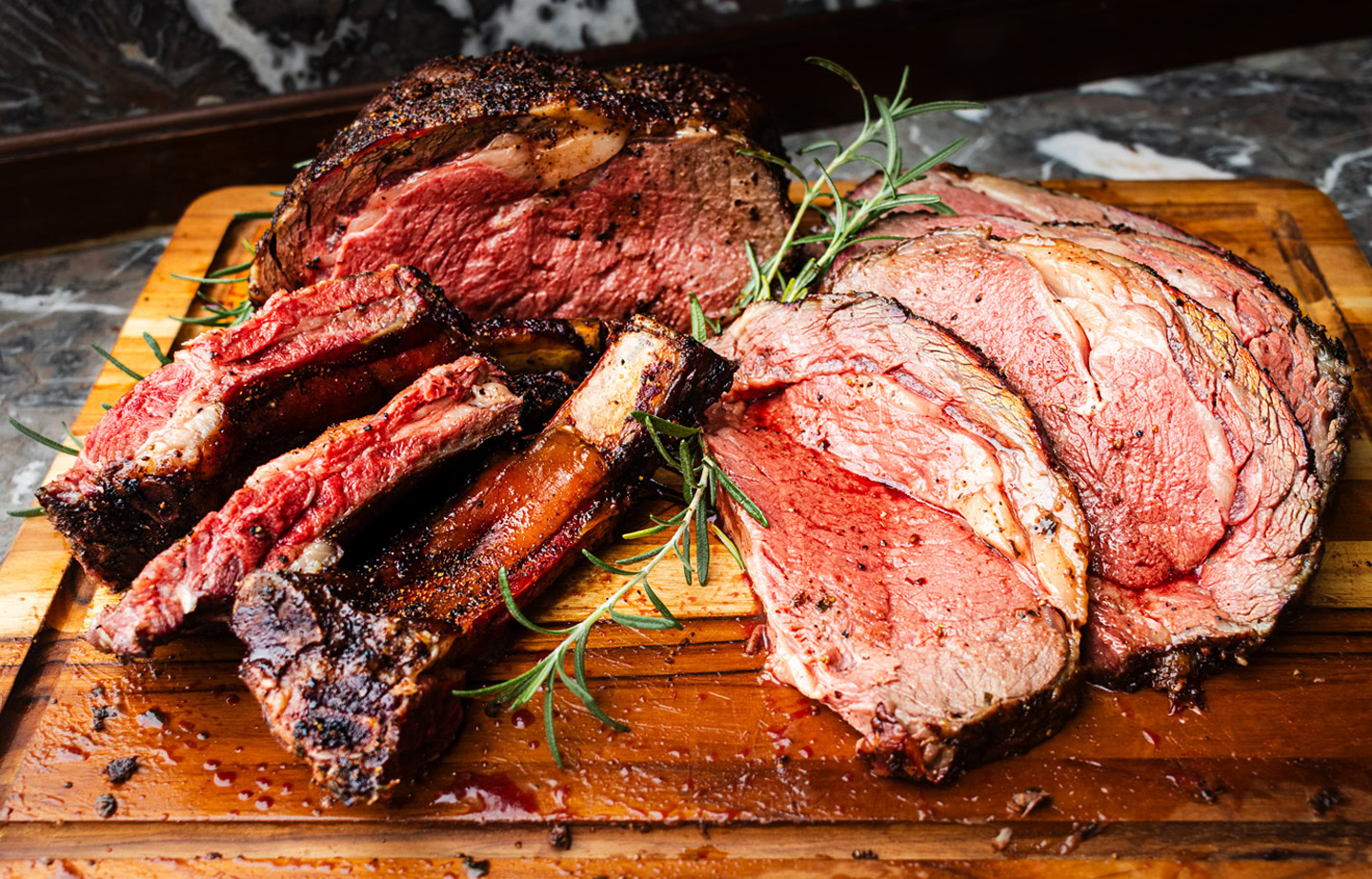
Achieve Perfect Smoked Prime Rib: Top Tips & Tricks
There are few culinary centerpieces as magnificent and awe-inspiring as a perfectly cooked prime rib. Its rich, beefy flavor and incredibly tender texture make it the star of any special occasion. While oven roasting has long been the traditional method, a growing legion of home chefs are discovering the transformative power of the smoker. Introducing your prime rib to the gentle embrace of wood smoke elevates this classic dish to an entirely new dimension, infusing it with an unforgettable depth of flavor that simply cannot be replicated by other means.
Smoking a prime rib isn't just about adding a smoky taste; it's about a cooking method that allows for unparalleled control, resulting in an edge-to-edge perfect doneness that's juicy beyond belief. This guide will walk you through the essential tips and tricks to master the art of
smoked prime rib: unforgettable flavor & tender texture, ensuring your next roast is a resounding success and earns you rave reviews from discerning diners.
Why Smoking Your Prime Rib is a Game Changer
The allure of smoked prime rib lies in its unique combination of texture, flavor, and presentation. Unlike high-heat roasting, the low and slow smoking process gently coaxes the meat to tenderness, preventing the dreaded grey band often seen in oven-roasted versions.
*
Unrivaled Flavor Depth: The wood smoke imparts a subtle yet complex smoky essence that complements the rich beef flavor without overpowering it. This additional layer of flavor is sophisticated and truly makes the prime rib stand out.
*
Edge-to-Edge Perfection: Cooking at lower temperatures over a longer period allows the heat to penetrate the roast more evenly. This means you'll achieve a consistent doneness from the outer crust right to the center, eliminating the overcooked edges often associated with higher temperature cooking. You’ll be able to cut slices that are perfectly medium-rare throughout.
*
Incredible Juiciness and Tenderness: The slow cooking process breaks down connective tissues in the beef over time, resulting in a remarkably tender roast. Furthermore, the lower heat minimizes moisture loss, ensuring every bite is succulent and juicy.
*
Enhanced Bark and Presentation: The smoking process often creates a beautiful, flavorful "bark" on the exterior of the roast, a dark, savory crust that adds texture and visual appeal. This impressive finish, combined with the aroma of smoked beef, makes for an unforgettable dining experience.
Preparing Your Prime Rib for Smoking Success
The journey to a perfect smoked prime rib begins long before it ever touches the smoker. Careful preparation is key to ensuring an even cook and maximum flavor.
Selecting the Right Roast
The quality of your prime rib directly impacts the final result. Opt for a high-quality cut, preferably USDA Prime or Choice grade, which indicates good marbling – streaks of fat within the muscle that melt during cooking, adding flavor and moisture.
*
Bone-In vs. Boneless: Bone-in roasts often offer more flavor and act as natural insulation, leading to a more even cook. However, boneless roasts are easier to carve. If using bone-in, consider having the butcher "chime" the bones (cut them off and tie them back on) for easier carving later.
*
Size Matters: A good rule of thumb is to estimate about 1 pound per person for boneless and 1.5 pounds per person for bone-in.
Trimming and Tying
While prime rib is inherently flavorful, a little preparation goes a long way.
*
Fat Cap: Leave a thin layer of fat (about 1/4 to 1/2 inch thick) on top of the roast. This fat will render during smoking, basting the meat and adding flavor. Trim away any excessive, hard fat that won't render. You can score the fat cap in a crosshatch pattern to help the rub penetrate and fat render more effectively.
*
Tying: If your roast is irregularly shaped or boneless, tying it with butcher's twine at 1-2 inch intervals helps it maintain a uniform shape, ensuring even cooking.
The Perfect Rub and Dry Brine
A simple yet effective rub is often all you need for prime rib, allowing the natural beef and smoke flavors to shine.
*
Classic Rub: A generous coating of coarse salt, freshly cracked black pepper, granulated garlic, and perhaps a touch of paprika or dried herbs (like rosemary and thyme) is usually sufficient. Avoid sugar in your rub for prime rib, as it can burn at smoking temperatures.
*
Dry Brining: This step is *crucial* for tenderness and flavor. Apply your rub liberally to all surfaces of the prime rib at least 24 to 48 hours before smoking. Place the seasoned roast uncovered on a wire rack set over a baking sheet in the refrigerator. The salt will draw moisture out, dissolve, and then be reabsorbed, seasoning the meat deeply and helping to break down muscle fibers for a more tender result. This also helps develop a better bark.
*
Bring to Room Temperature: About 2-3 hours before you plan to smoke, remove the prime rib from the refrigerator. This allows the roast to come up slightly in temperature, promoting a more even cook and reducing the overall smoking time.
The Smoking Process: Low & Slow Perfection
This is where the magic happens. Achieving a tender, juicy, and smoky prime rib requires patience and precise temperature management. For a more detailed walkthrough, you can refer to our guide on
Mastering Smoked Prime Rib: A Step-by-Step Guide.
Smoker Setup and Temperature
Consistency is key for low and slow cooking.
*
Target Temperature: Aim for a stable smoker temperature between 225°F and 275°F. This gentle heat allows the prime rib to cook slowly, absorbing maximum smoke flavor without drying out. Many pitmasters prefer 225°F for the most tender results.
*
Wood Selection: For prime rib, choose milder, fruitier woods that complement beef without overpowering it. Oak, cherry, apple, and pecan are excellent choices. Avoid strong woods like mesquite or hickory, which can be too aggressive for the delicate flavor of prime rib. Use chunks or splits rather than chips for a cleaner smoke.
Monitoring and Maintaining
Hands-off cooking is mostly true, but occasional monitoring is necessary.
*
Probe Placement: Insert a reliable leave-in probe thermometer into the deepest part of the prime rib, ensuring it's not touching any bone or excessive fat. This is your most critical tool for judging doneness.
*
Target Internal Temperatures:
* Rare: 120-125°F (pull at 115-120°F)
* Medium-Rare: 125-130°F (pull at 120-125°F)
* Medium: 130-135°F (pull at 125-130°F)
Remember that the temperature will rise by 5-10 degrees during the resting phase.
*
Don't Rush It: Smoking prime rib is an exercise in patience. Do not open the smoker lid unnecessarily, as this releases heat and smoke, extending cooking time. Expect anywhere from 30 minutes to 1 hour per pound, but always cook to temperature, not time.
*
Moisture Management (Optional): Some pitmasters like to place a water pan in the smoker to help maintain humidity, which can prevent the roast from drying out and help with smoke ring formation. Spritzing with beef broth or apple cider vinegar every hour or so after the first couple of hours is also an option for added moisture and flavor, but isn't strictly necessary.
The Crucial Rest and Reverse Sear
You've done the hard work, but the process isn't over yet. These final steps are paramount to achieving a truly spectacular smoked prime rib.
The Indispensable Rest
Once your prime rib reaches its target internal temperature, remove it immediately from the smoker. Tent it loosely with foil and let it rest on a cutting board for a minimum of 30-60 minutes, or even up to 90 minutes for larger roasts.
*
Why it's Crucial: Resting allows the muscle fibers to relax and reabsorb the juices that have migrated to the center during cooking. Skipping this step will result in a dry, less flavorful roast with all the juices running out onto your cutting board.
The Optional (but Recommended) Reverse Sear
While not strictly necessary, a reverse sear creates an incredible, crispy crust on your prime rib, providing a wonderful textural contrast to the tender interior.
*
Method:
*
High-Heat Grill: Preheat a grill to high heat (500-600°F). Sear all sides of the rested prime rib for 2-3 minutes per side until a beautiful crust forms.
*
Oven Broiler: Place the rested prime rib under a hot broiler for a few minutes, rotating to brown all sides. Watch carefully to prevent burning.
*
Cast Iron Skillet: Heat a cast iron skillet with a small amount of high smoke point oil (like grapeseed or avocado) until screaming hot. Sear the prime rib on all sides until browned.
Carving and Serving
After the rest and optional sear, it's time for the grand finale.
*
Carving Bone-In: If your prime rib is bone-in, carefully slice the meat away from the bones first. Then, slice the roast against the grain into desired thickness.
*
Carving Boneless: Simply slice the roast against the grain.
*
Presentation: Arrange the slices on a platter, perhaps with a side of au jus made from the pan drippings or a horseradish cream sauce.
Conclusion
Smoking a prime rib is more than just cooking a piece of meat; it's an experience, a craft that yields a truly memorable feast. By carefully selecting your roast, preparing it with precision, maintaining a low and slow smoking temperature, and giving it the crucial rest and optional reverse sear, you will unlock flavors and textures that simply cannot be achieved through any other method. The patience and attention to detail invested in this process are richly rewarded with a succulent, smoky, and irresistibly tender prime rib that will undoubtedly become the star of your next holiday gathering or special occasion. Embark on this culinary adventure, and prepare to impress everyone with your perfectly smoked prime rib.