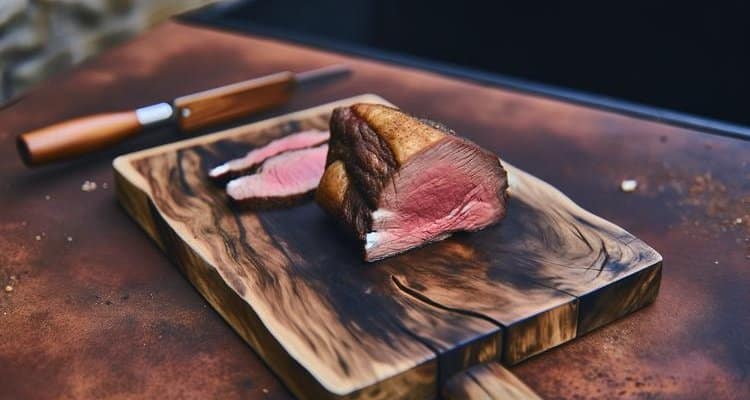
Mastering Smoked Prime Rib: A Step-by-Step Guide to Culinary Excellence
Few dishes command attention quite like a perfectly cooked prime rib. But elevate that experience by introducing it to the intoxicating world of smoke, and you've got a true showstopper. Smoked prime rib isn't just a meal; it's an event, a testament to patience and a celebration of flavor. The gentle kiss of wood smoke transforms this already magnificent cut of beef into an even more unforgettable culinary masterpiece, boasting a tender, juicy interior and a richly flavored bark. If you've ever dreamt of serving a holiday feast or a special occasion dinner that will leave your guests speechless, mastering smoked prime rib is your ultimate goal. This comprehensive guide will walk you through every critical step, ensuring your journey from raw roast to magnificent centerpiece is nothing short of triumphant.
Why Smoke Your Prime Rib? Unforgettable Flavor & Tender Texture
While oven-roasting is traditional, smoking introduces a dimension of flavor that simply can't be replicated. The low-and-slow cooking process, combined with aromatic wood smoke, breaks down connective tissues, rendering the meat incredibly tender and succulent. The smoke penetrates the surface, creating a robust, savory "bark" that provides a delightful textural contrast to the buttery interior. This method is not just about cooking; it's about infusing every fiber of the roast with an unparalleled depth of taste, making it a truly unforgettable flavor & tender texture experience.
The Foundation: Choosing and Preparing Your Prime Rib
Success with smoked prime rib begins long before it ever touches the smoker. The quality of your roast and its initial preparation are paramount.
Selecting the Right Cut
- Bone-in vs. Boneless: Bone-in prime rib offers a slight advantage in flavor and insulation during cooking, often resulting in a juicier roast. The bones also provide a natural handle for carving. Boneless roasts are easier to carve but may cook slightly faster. For an optimal experience, we recommend bone-in if possible.
- Grading: Look for "Prime" grade beef for the highest marbling and tenderness, followed by "Choice." While "Select" grade is available, it typically has less marbling and may result in a less succulent finished product.
- Size: A good rule of thumb is to estimate 1 pound per person for bone-in, or 0.75 pounds for boneless, considering a little extra for leftovers (which are fantastic!). A 3-4 rib roast (6-9 lbs) is a great starting point for most home smokers.
Trimming & Tying for Even Cooking
Most prime ribs come with a substantial fat cap. While some fat is good for flavor and moisture, too much can prevent the rub from penetrating and make for greasy bites. Trim the fat cap down to about 1/4 to 1/2 inch thickness. If your roast is boneless or loosely rolled, tying it with butcher's twine at 1-2 inch intervals helps maintain a uniform shape, ensuring even cooking. For bone-in roasts, ensure the bones are "frenched" or trimmed of excess meat for a cleaner presentation, or simply leave them as is.
The All-Important Dry Brine
Dry brining is a non-negotiable step for truly spectacular smoked prime rib. This involves generously salting the roast and letting it rest uncovered in the refrigerator. The salt draws moisture to the surface, dissolves, and then reabsorbs, carrying the salt deep into the meat. This process:
- Enhances flavor throughout the roast, not just on the surface.
- Helps retain moisture during cooking.
- Contributes to a crispier, more flavorful bark.
How to: Pat the roast dry, then season liberally on all sides with kosher salt (about 1/2 teaspoon per pound). Place it on a wire rack set over a baking sheet, uncovered, in the refrigerator for at least 24 hours, and ideally 48-72 hours. This time allows the salt to work its magic and helps dry the surface, which is crucial for bark formation.
Crafting the Perfect Rub & Smoker Setup
Once your prime rib is prepped and brined, it's time to build its flavorful exterior and get your smoker ready.
The Art of the Rub
While the dry brine lays the foundational flavor, a good rub adds complexity and helps create that coveted smoky bark. A classic prime rib rub is simple but effective:
- Ingredients: Freshly cracked black pepper, garlic powder, onion powder, paprika (for color), dried thyme, and rosemary.
- Application: Just before smoking, pat the roast dry again (if any moisture has accumulated from the fridge). Apply a generous, even layer of your chosen rub over the entire surface. Press it firmly into the meat to ensure it adheres.
Avoid rubs with too much sugar, as sugar can burn at higher temperatures, though a small amount can aid bark development. Some enthusiasts also like to apply a thin layer of mustard or olive oil as a binder before the rub, though this is optional as the dry brining should create enough surface moisture for the rub to stick.
Smoker Preparation: Fuel & Temperature Control
The type of wood you use will significantly impact the flavor of your smoked prime rib. For beef, robust woods are generally preferred:
- Recommended Woods: Oak, Pecan, Hickory, Cherry, or a blend. Avoid overly strong woods like Mesquite unless you enjoy a very intense smoky flavor.
- Wood Form: Use wood chunks for longer, more consistent smoke, rather than chips which burn quickly.
- Temperature: The ideal temperature for smoking prime rib is a consistent 225-275°F (107-135°C). Lower temperatures will increase smoking time and smoke penetration, while slightly higher temperatures can help develop a better bark. Aim for stability.
Set up your smoker for indirect heat. If using a charcoal smoker, arrange coals on one side and place a drip pan with water or beef broth directly under where the prime rib will sit. This helps regulate temperature and adds moisture to the smoking environment.
Essential Equipment Checklist
- Reliable Smoker: Pellets, offset, electric, or charcoal – choose what you're comfortable with.
- Meat Thermometer: A dual-probe leave-in thermometer is crucial for monitoring both ambient smoker temperature and internal meat temperature simultaneously. An instant-read thermometer is also vital for spot-checking.
- Drip Pan: Catches drippings and can be filled with liquid to add moisture.
- Butcher's Twine: If tying is needed.
The Smoking Process: Low & Slow to Perfection
This is where the magic happens. Patience is your most important ingredient.
- Initial Placement: Once your smoker is stable at 225-275°F, place the prime rib (fat cap up) directly on the grates over the drip pan, ensuring it's not directly over the heat source. Insert your leave-in probe into the thickest part of the roast, avoiding bone.
- Maintain Temperature: The goal is consistent smoke and temperature. Replenish wood chunks as needed, usually every 1-2 hours for the first 3-4 hours, then maintain temperature without adding more wood, as the meat stops absorbing smoke effectively past a certain point.
- Monitoring & Spritzing (Optional): The smoking time for a prime rib is approximately 30-45 minutes per pound, but this is merely a guideline. Always cook to internal temperature, not time. If the bark appears to be getting too dark, or if you want to add moisture, you can spritz the roast every 1-2 hours with apple cider vinegar, beef broth, or water. This also aids bark formation.
- Achieving the Perfect Internal Temperature: This is the most critical step. You'll be cooking the prime rib to a lower internal temperature than its final desired doneness because it will continue to cook during the resting phase (carryover cooking) and potentially during a final sear.
- Rare: Pull at 115-120°F (46-49°C)
- Medium-Rare: Pull at 120-125°F (49-52°C) – highly recommended for prime rib
- Medium: Pull at 125-130°F (52-54°C)
For additional expert advice and common pitfalls to avoid, make sure to check out our comprehensive guide on how to Achieve Perfect Smoked Prime Rib: Top Tips & Tricks.
The Grand Finale: Rest, Sear, & Slice
You're almost there! These final steps ensure maximum juiciness and that irresistible crust.
The Crucial Rest
Immediately after removing the prime rib from the smoker, tent it loosely with foil. This rest period is absolutely non-negotiable and one of the most important steps for a juicy roast. As the roast rests, the muscle fibers relax, allowing the juices that have been pushed to the center during cooking to redistribute throughout the meat. A general rule of thumb is to rest for at least 30 minutes, or even up to an hour for larger roasts. During this time, the internal temperature will rise by 5-10°F (2-5°C), reaching your desired final doneness.
Reverse Sear for a Crispy Crust
While resting, you have an opportunity to develop an even more incredible crust – the reverse sear. This involves exposing the rested prime rib to very high heat for a short period.
- Method 1 (Grill): Preheat your grill to high (500-600°F / 260-315°C). Sear the prime rib for 2-3 minutes per side, rotating as needed, until a beautiful, deeply browned crust forms.
- Method 2 (Oven): Preheat your oven to its highest setting (usually 500-550°F / 260-290°C). Place the rested prime rib directly on a rack in a roasting pan. Roast for 10-15 minutes, or until the desired crust develops. Keep a close eye on it to prevent burning.
The reverse sear is optional, but highly recommended for that restaurant-quality finish that makes your smoked prime rib truly shine.
Carving Like a Pro
Once rested and seared, it's time to carve. For bone-in roasts, first remove the bones by carefully running a sharp carving knife along the curve of the bones. Once removed, slice the prime rib against the grain into 1/2 to 3/4-inch thick slices. Slicing against the grain shortens the muscle fibers, making each bite incredibly tender. For boneless roasts, simply slice against the grain.
Serving Suggestions & Leftovers
Present your magnificent smoked prime rib on a large platter, garnished with fresh herbs like rosemary and thyme. Classic accompaniments include creamy horseradish sauce, au jus (made from the pan drippings), roasted potatoes, asparagus, or a fresh green salad. And don't forget the incredible leftovers! Sliced prime rib makes for amazing sandwiches, quesadillas, or even a decadent hash.
Conclusion
Mastering smoked prime rib is a journey that combines patience, precision, and the art of low-and-slow cooking. By carefully selecting your roast, dry brining, applying a flavorful rub, and meticulously managing your smoker's temperature, you will unlock a depth of flavor and tenderness that will astound your senses. While it requires attention to detail, the reward of a perfectly smoked prime rib—with its deep smoky flavor, rich bark, and succulent, rosy interior—is an unparalleled culinary achievement. Follow these steps, trust your thermometers, and prepare to create an unforgettable meal that will solidify your reputation as a true pitmaster.
